Guided by Beacons: Wild Lives on the UK’s Rugged Shores
From Cornwall’s spray-swept headlands to Orkney’s storm-bright towers, we’re exploring wildlife and conservation along lighthouse coastal paths in the UK. Expect seabird cliff cities, seal coves, flowering turf, and the quiet, practical work that keeps habitats thriving beside weathered lanterns and foghorns. Walk with curiosity, tread lightly, and discover how simple, thoughtful choices connect your steps to bigger recoveries at sea and shore.
Seabird Highways Around South Stack and Flamborough
Stand near the guardrails and feel the sky in motion as fulmars cut silver arcs and razorbills arrow home to ledges chiselled by storms. At South Stack and Flamborough, colonies chatter like rain, every call a small declaration of survival. Updrafts lift tired wings, while watchers count, note, and marvel. Your stillness helps: stay behind lines, lower your voice, and let the cliffs continue their long conversation with wind and sea.
Grey Seals in the Lee of the Lantern
Below the beam’s sweep, coves cradle grey and common seals, whiskers twitching in the foam. Watch quietly from marked viewpoints, because distance is kindness when pups are resting or mothers are feeding. Their patient eyes follow tides and seasons, returning to familiar stones like clockwork. Share sightings with local groups, resist the urge to approach, and keep dogs close—every respectful choice becomes a small anchor for a fragile, watchful colony.
Paths that Protect Fragile Edges
Good paths do more than guide—they defend. Steps, boardwalks, and fencing hold wandering feet above roots, burrows, and dune grasses that stitch sand against storms. Seasonal diversions feel inconvenient until you see chicks tucked into shadows or hear puffins rumbling underground. Clear signs, ranger smiles, and a few extra minutes of walking turn potential damage into a shared victory, where every footprint lands exactly where the coast can bear it.
When spring wind tastes of heather and salt, colonies claim their spaces with astonishing insistence. That is why certain viewpoints narrow, paths re-route, and dogs must remain on leads. Choughs probe turf, kittiwakes gather seaweed, and puffins vanish into burrows that collapse under careless steps. Honoring closures keeps eggs uncracked, wings unbroken, and next year’s returning birds ready to write the same wild script across the cliff face again.
Those timber planks and careful risers are invitations to witness without wounding. Underfoot, marram grass binds dunes, and delicate cliff-top swards lie inches from loss. Erosion accelerates with shortcuts; restoration slows when habits don’t change. Follow waymarks even when curiosity tugs elsewhere. The view will still be there, and so will the insects nesting in warm sand, the voles tracing hidden paths, and the quiet roots holding an entire headland together.
Coastal lights have evolved, focusing beams for mariners while reducing unnecessary glow that confuses migrants. Where optics and shielding limit spill, stars return and birds pass safely over. It’s a balance of safety and darkness, navigation and night ecology. Support measures that dim car parks, angle fixtures downward, and respect nocturnal rhythms. When the Milky Way rises over a patient sea, both sailor and storm-petrel find their way with less risk.
Lantern Room Stories and Shoreline Voices
Along these paths, memories ride the wind: keepers charting weather by smell, children counting dolphins between waves, and volunteers trading thermos tea for fog and data sheets. Stories keep us attentive. A single anecdote can persuade better than a lecture, reminding us that every observation, every gentle choice, and every returned piece of litter becomes a thread in a long tapestry woven from patience, kindness, and saltwater light.
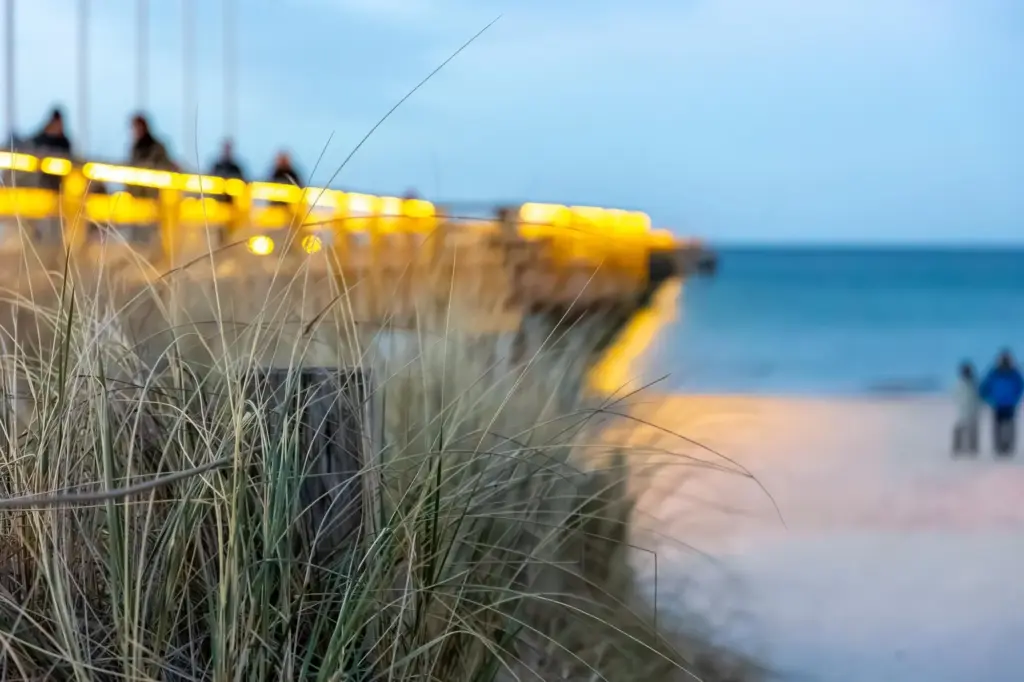
Counting Puffins Before Supper
One evening near a white tower, a retired keeper quietly tallied puffins against the horizon, his pencil tapping each splashdown like a metronome. He said numbers were more than numbers; they were promises kept or broken. That night, fewer birds meant more questions. He showed me how to scan slowly, note wind shifts, and share records. The ledger grew heavier, yet hope rose with each steady, careful count under paling skies.
A Seal Rescue Remembered
On a cold morning, walkers found a pup tangled in netting at the tideline and called trained medics instead of intervening. Blankets became windbreaks, distance became safety, and within an hour the pup was free. It blinked, slid seaward, then paused as if memorizing the beach. We learned restraint can be the bravest kindness, and phone numbers for local responders belong in every pocket walking these unpredictable, beautiful margins.
Join the Watch: Simple Actions with Big Reach
You do not need specialist gear to help. Five minutes with binoculars can become real data for groups tracking seabirds and cetaceans. A phone photo, geotagged and shared with responsible projects, turns curiosity into a breadcrumb for conservation. Beach cleans change horizons one handful at a time. Subscribe, volunteer, and comment—your questions shape future guides, and your presence, steady and respectful, becomes a quiet promise to the coast you love.
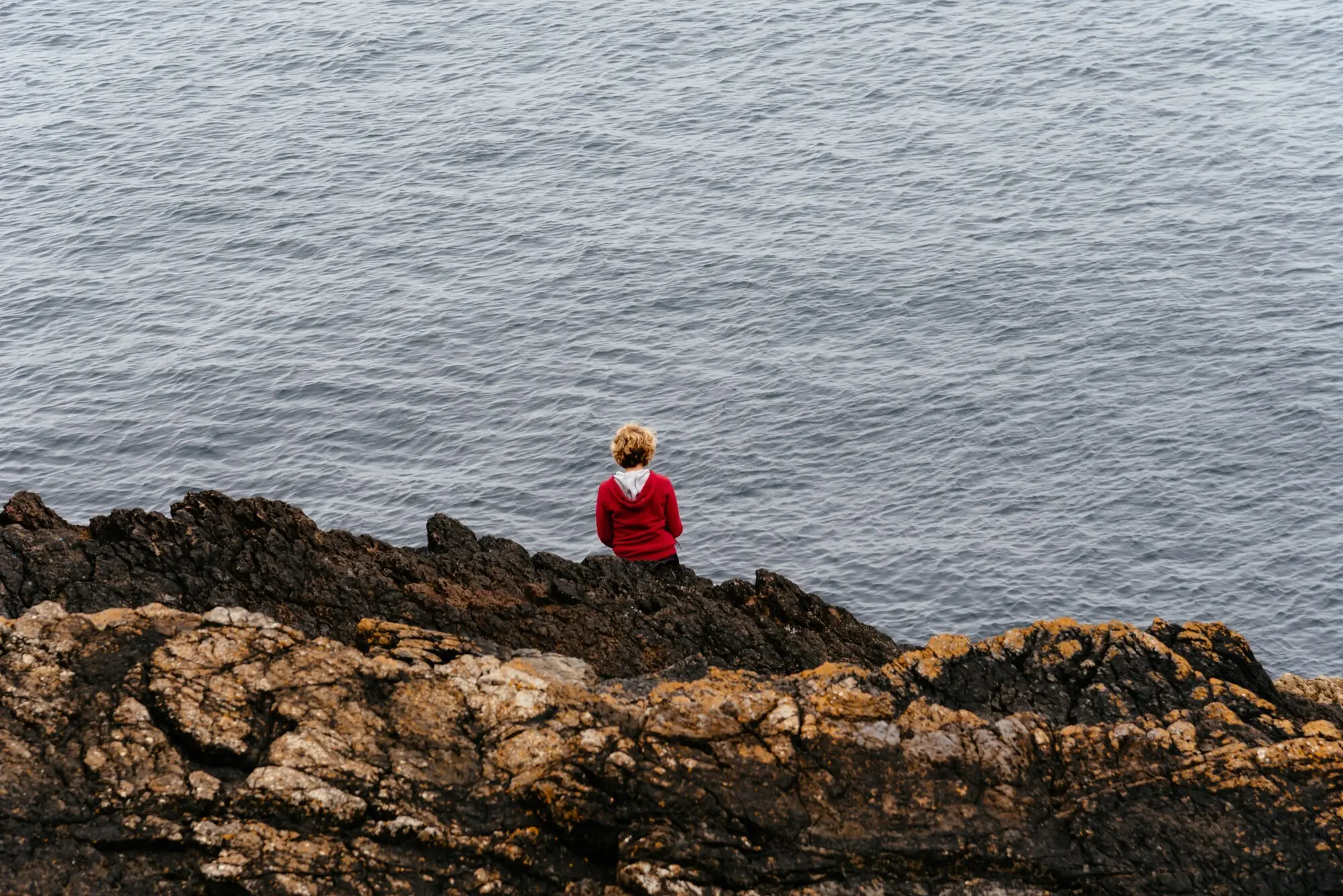
Five Minutes of Seawatching, Lifetimes of Data
Choose a safe vantage near a lighthouse, note species, numbers, and direction of travel, then upload to platforms supported by trusted UK partners. Short counts, repeated often, reveal migrations, breeding success, and storm impacts. Even zeros matter. Consistency builds patterns that experts can test against tides and weather. Bring a friend, share your method, and watch your coastal notebook transform into part of a living map guiding smarter protection and policy.
Snap, Share, Safeguard
Photograph responsibly: zoom with lenses, not footsteps; avoid nests and haul-outs; keep metadata; add observations to reputable databases. Images become verifiable records of blooms, strandings, or rare visitors. Caption with time, place, and behavior. Resist baiting or flushing wildlife for a shot. Celebrate ordinary species as urgently as rarities. When archives grow, coastal managers gain clearer baselines, and your gallery becomes a quiet engine advancing care across cliff, shingle, and sea.
From Litter to Legacy
Join local clean-ups with the Marine Conservation Society or Surfers Against Sewage, weighing and categorizing finds so numbers carry into policy. Gloves, buckets, and good company turn grim tidelines into measured progress. Single-use plastics shrink when communities track them. Share before-and-after photos to inspire others, then adopt a short path segment to revisit monthly. The difference is visible, the data persuasive, and every storm reveals new reasons to return together.
Wind, Tide, and Safe Returns
Seabirds read wind like scripture, but walkers must plan. These routes skim cliff lips, cross tidal causeways, and flirt with gusts that steal footing and warmth. Preparation is respect: check forecasts, carry layers, and know when to turn back. Keep dogs close, children nearer, and eyes on signs that change with seasons. Safety preserves not only lives, but also the gentle behaviors that make close, lasting encounters possible for everyone.
Changing Coasts, Renewed Commitments
Coastal paths are not lines on maps; they are pencil marks constantly redrawn by storms, sea-level rise, and shifting wildlife ranges. Erosion reveals fossils, then eats the page; warmer currents deliver surprises, then rewrite seasons. Conservation answers by listening, measuring, and adapting. From predator management on breeding islands to dune restoration beside access steps, progress grows when communities agree that every cliff, cove, and beacon deserves thoughtful, evolving care.
Erosion’s Double Edge
Cliff falls open geology like books and simultaneously erase old viewpoints overnight. Path diversions protect lives and new ledges where birds might nest. Accepting change lets nature recover while keeping walkers safe. Report slumps, respect barriers, and notice how plants colonize fresh faces. In time, conservation teams weave safer routes that honor both adventure and patience, ensuring future visitors meet a coast still capable of spring’s bright, improbable recoveries.
New Arrivals on Warmer Currents
Sunfish, bluefin tuna, and unusual jellyfish ride shifting temperatures, while some seabirds adjust timing or seek cooler refuges. Record what you see; anomalies become evidence. Managers need those clues to guide protections from estuary to headland. Adaptation might mean altered grazing, new plantings, or seasonal changes to access. Curiosity, when documented and shared, transforms worry into action—step by measured step—so the shoreline’s surprises become signposts toward wiser stewardship.
Restoration that Lights the Way
Hope travels fast along these paths. Rat eradication on islands boosted burrow-nesting birds; kelp and seagrass projects seed nurseries for fish; dune re-profiling shields villages and flowers alike. Small wins accumulate into weatherproof futures. Support local trusts, attend consultations, and champion designs that blend access with habitat care. When restoration succeeds, lighthouse beams seem steadier, not because light changed, but because communities chose to walk together, listening to wind and tide.